Certain aspects of homeownership are often hidden until they become a problem. One important but often overlooked part of a house is the septic system. We tend to take it for granted as if it can carry out its duties without much maintenance or even concern. However, like any other type of system, septic tanks will have a lifespan, and eventually, they will need to be replaced.
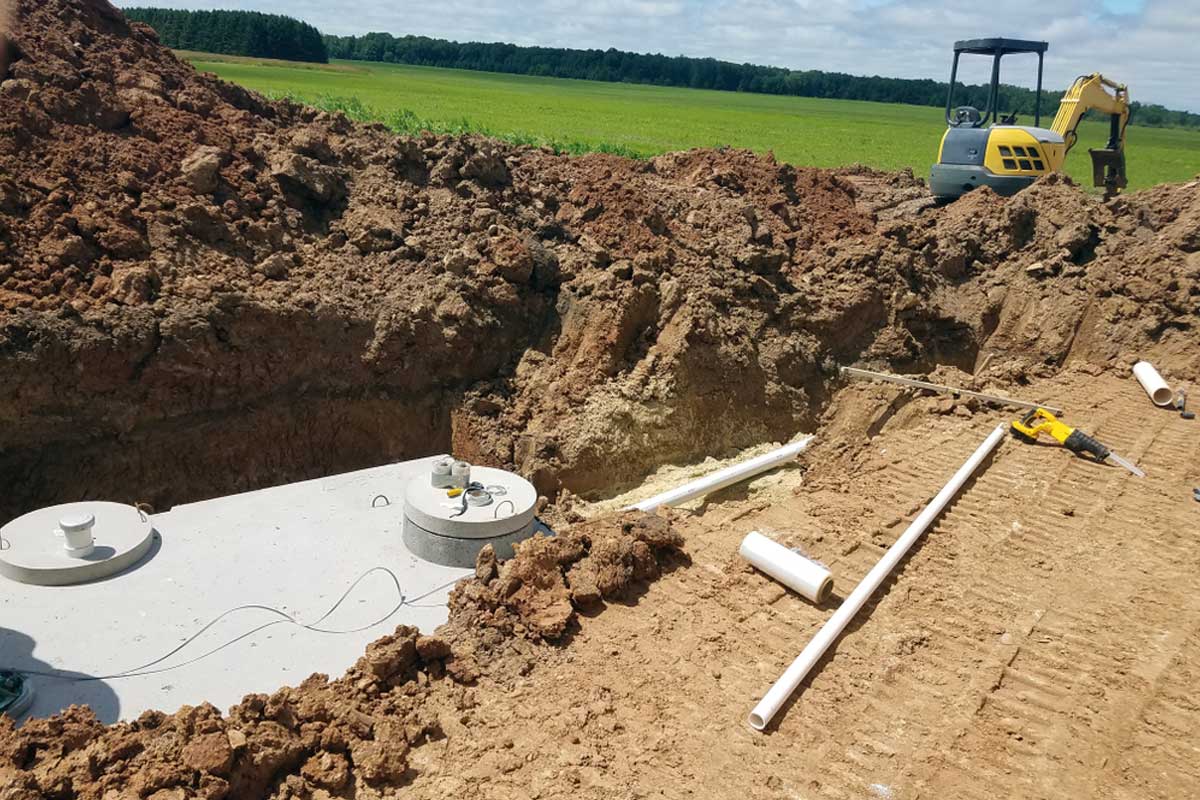
The expense of replacing the septic tank can pose an enormous financial burden for homeowners who aren’t prepared. There are many factors that contribute to the overall cost, making it essential to understand what factors are considered when budgeting for an upgrade to your septic system.
Understanding the true septic system cost to replace tanks requires weighing many aspects beyond the obvious price of the tank. It’s more than just a matter of removing the old tank and putting in another one. Multiple components and services are included in the total cost. Each step, from getting permits to hiring contractors and excavation to installation, results in costs. Homeowners must plan their budgets accordingly.
The cost of replacing the septic system which includes installation costs for the leach field as well as the an septic system is an important factor. The price of a new tank will differ based on its size, material and complexity of installation. The price is also affected by the site of the property, local laws, as well as the soil conditions. Consult with septic systems experts who will evaluate your needs and provide a precise estimate. The experts will consider elements like the size or shape of the leach fields and give an accurate estimate of the overall costs for your septic system.
The leach field or drain is an additional expense. This element is crucial for water treatment and distribution. It is crucial to consider the best option when replacing a damaged or defective leachfield, or one that is failing. This can be a major factor in the cost for a septic system replacement. In determining the total cost, it is important to take into account factors such as the dimensions and the composition of the leach fields, accessibility, and soil composition.
The homeowners must take into consideration the expenses that will be incurred by replacing the septic tank. This procedure could impact your everyday life by requiring that you leave your home, or restrict the use of water while installation is being done. This issue should be taken into consideration when planning as it can interfere with your everyday life and result in additional expenses.
Additionally, it’s important to realize that regular maintenance and upkeep of your septic system is vital to extend its life and reduce the chance of premature replacement. Inattention to maintenance can result in more severe problems in the future, including damage to the drainfield, or failing the tank. Plan for septic maintenance in advance is a wise investment that will save you cash over the course of time.
By now, you may have realized that determining the septic tank replacement cost is not a straightforward task. It takes careful consideration of many factors, ranging from the size and the material used in the tank, to the complexity of the installation and condition of the leach field. Moreover, the location of your property as well as local rules can affect the overall cost. For an accurate cost estimate you must consult an expert who is experienced in the repair of septic systems.
It’s possible to be shocked when you decide to replace the septic tank, only to find the additional costs which you didn’t think of. It is important to be aware of these hidden costs before making a decision.
Some of the hidden costs associated with a new septic system are:
The cost of permits and inspections. It is necessary to obtain permits from your local authority before you begin the process of septic system replacement. These permits are likely to be costly, and you might also be required to pay for inspections.
The expense of excavation and removal. The old septic has to be removed and dug up prior to installing a new system. This can be a costly process, particularly if the system is in a hard-to-access location.
The cost of backfilling and leveling. When the old system is taken away, it will be required to grade and backfill the hole. It is crucial that the drainage system is able to drain properly.
The expense of landscaping is a significant expense. You might have to landscape the area following the installation of the new system to maintain it in a neat and tidy manner. The expense can quickly mount in the event that you need to hire a professional landscaping company.
When planning the replacement of your tank for septic, it is essential to include the cost-savings that aren’t obvious. This will allow you to avoid any unpleasant unexpected costs.
The green solutions are an ideal choice for homeowners who are budget conscious. Not only are they cost-effective alternatives to conventional system of septic, but they help preserve the environment by minimizing runoff and decreasing water pollution. Eco-friendly septic systems are becoming less expensive and more accessible and are the ideal option for those seeking to lessen the environmental impact of their property without running out of money. While there are initial costs involved with switching to an eco system, the savings in time will more than make up for the initial costs. This isn’t just a trend it’s a change in lifestyle all people should adopt if they are serious about protecting our planet for the future. With the right systems installed, you’ll feel secure knowing that you’re doing your part for the global community, as well as guaranteeing that your home will run efficiently and effectively with minimal maintenance and lower expenses per month.