Computer Numerical Control has revolutionized engineering, manufacturing and design over the last few decades. CNC machineries, which combine digital technology alongside traditional manufacturing techniques is now a predominant way to manufacture precision components and products for a variety of industries. This article examines the advantages and applications of CNC-machining. It also highlights its impact on modern technology.
The mechanics of CNC Machining
CNC machining is a subtractive manufacturing technique, which means it removes the substance from a solid block or workpiece to create the desired shape. The software that computers use to control machine movement is pre-programmed. The code for CNC machines can vary depending on the machine type and complexity of the component being manufactured. The fundamental principle is the same. A high-speed cutter accurately sculpts material to create the finished product.
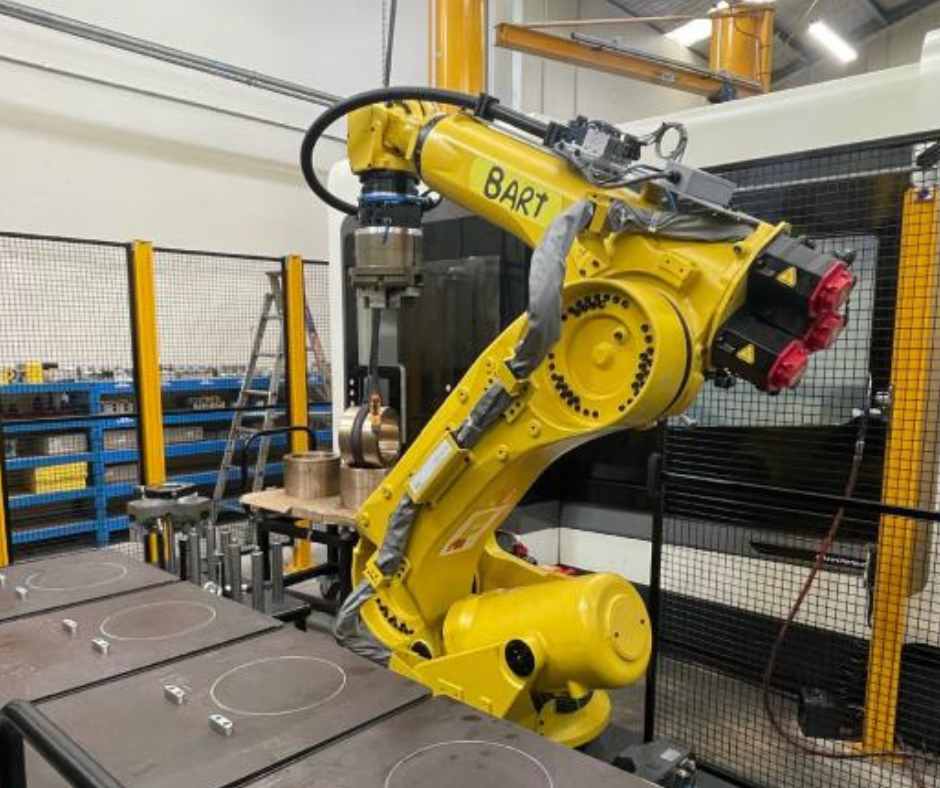
CNC machining offers a high degree of precision. Digital machining produces a highly accurate and consistent product, which minimizes the possibility of human errors. This is crucial in areas such as medical devices, aerospace as well as automotive manufacturing where minor deviations could result in serious consequences.
The Role of Digitalised Computers in CNC Machine Operations
CNC machining efficiency and accuracy is due to the combination of digital technologies. A specific software program automates the entire manufacturing processes. The software converts CAD models to precise instructions which the CNC machine follows to produce the part. These instructions control everything, starting from the speed of and direction of the machine, to the angle and depth of each cut.
In large-scale industrial plants, computers are usually integrated directly into CNC machines. This allows for seamless communication and controls. This integration allows constant monitoring and adjustments in real time to guarantee maximum performance, and reduce downtime. CNC machine automation permits continuous operation. This increases efficiency and decreases the time to lead.
CNC Machining: The Benefits
CNC machining has many advantages over traditional manufacturing methods. One of the biggest advantages is the capability to create complex and intricate components with high-precision. The accuracy of CNC machineries removes the need to make manual adjustments or rework, reducing waste and increasing efficiency. CNC machines can also be used in a continuous manner and are perfect for production runs that are large.
CNC Machining also has another advantage: its flexibility. With a simple change of the program, the machine is able to make different parts. CNC is a machine that can be utilized to prototype or for mass production.
Automating CNC machining increases safety at work. The risk of injury and accidents is reduced through a reduction in manual interventions. The consistent quality of CNC machined parts improves the performance and reliability of the products, contributing to customer satisfaction.
CNC Machining Services Benefits for Industries
Many industries use CNC machineries, and are distinguished by its efficiency, versatility and accuracy. In aerospace, CNC machines produce critical components that must be in compliance with strict standards of safety and performance. CNC machines are used in the medical device industry to manufacture complex surgical implants and instruments. Accuracy is of paramount importance.
CNC machining can be used to create transmissions, engine parts as well as intricate interiors and exteriors for the automotive industry. The electronics industry also benefits from CNC machining, which can create small, intricate components for consumer electronics and communications devices. CNC technology is employed in the art and jewelery industries to produce complex and unique pieces.
The future of CNC Machining
As technology advances, the capabilities of CNC machining are expected to grow even more. Innovations such as multi-axis machine machining, additive manufacturing integration, and advanced materials will continue to push the boundaries of what can be achieved using CNC technology. Additionally machine learning and AI can increase CNC machining efficiency.
In the end, CNC machining has profoundly impacted modern engineering and manufacturing providing unbeatable accuracy as well as efficiency and the ability to be flexible. Because of its high-precision ability to create intricate components, CNC machining has become an essential tool in a wide range of industries. CNC machining’s role in manufacturing’s future will be crucial as technology changes.