In today’s fast-paced world of digital technology, distractions are lurking at every turn which makes it more difficult to focus. The ability to master time isn’t just an art but an advantage. The perfect timer is the secret weapon no matter if you’re in the middle of a study session, working remotely or on a personal project. Take a look at the Pomodoro Timer. It’s more than just a tracker. It’s a formidable productivity booster designed to help you work smarter, stay sharp and accomplish more with less stress.
Pomodoro Technique: Effectiveness of the Technique
The Pomodoro Timer is more that simply a clock. It’s also a behaviour instrument that’s based on scientific principles. It was developed in the late 1980s by Francesco Cirillo, the technique breaks are broken down into timed intervals, typically lasting 25 minutes, and referred to as “Pomodoros,” followed by short breaks. The technique mimics our brain’s natural rhythm, allowing us to stay focused without mental fatigue.
Each session is a sprint of attention. By knowing a break is just a few minutes away, the mind becomes much easier to avoid distractions like social media or endless scrolling. The timer also serves as a good reminder to acknowledge and then pause whenever it will ring.
Countdown Timers: Staying focused in the Present
A countdown timer may add some urgency to the Pomodoro timer. When you see a clearly visible clock that is counting down to the minute, it creates a mental impact that’s known as “temporal scarcity.” In a flash, time seems more precious. The sound of a countdown playing in the background could make you more conscious of your time, whether you’re preparing an upcoming presentation or studying for a test.
Modern online timers come with this feature, and have the added benefit of setting any time. As opposed to traditional timers for kitchens, these electronic tools keep track of preferences as well as cycles and break lengths, making them much more personalized and adaptable.
Stopwatch Timers: They Measure More Than Time!
Stopwatch timers are the opposite of time management. This timer counted up rather than down to track how long it takes to complete a particular task. This can be useful to anyone who wants to improve estimations of time, comprehend the patterns of work, or keep track of billable hours.
If you’re a creative professional or developer, or an entrepreneur A stopwatch can be a great tool to monitor your daily routine. If you practice, you’ll be better able to plan your work schedule with greater precision and focus.
Smart Online Timers: A New Trend
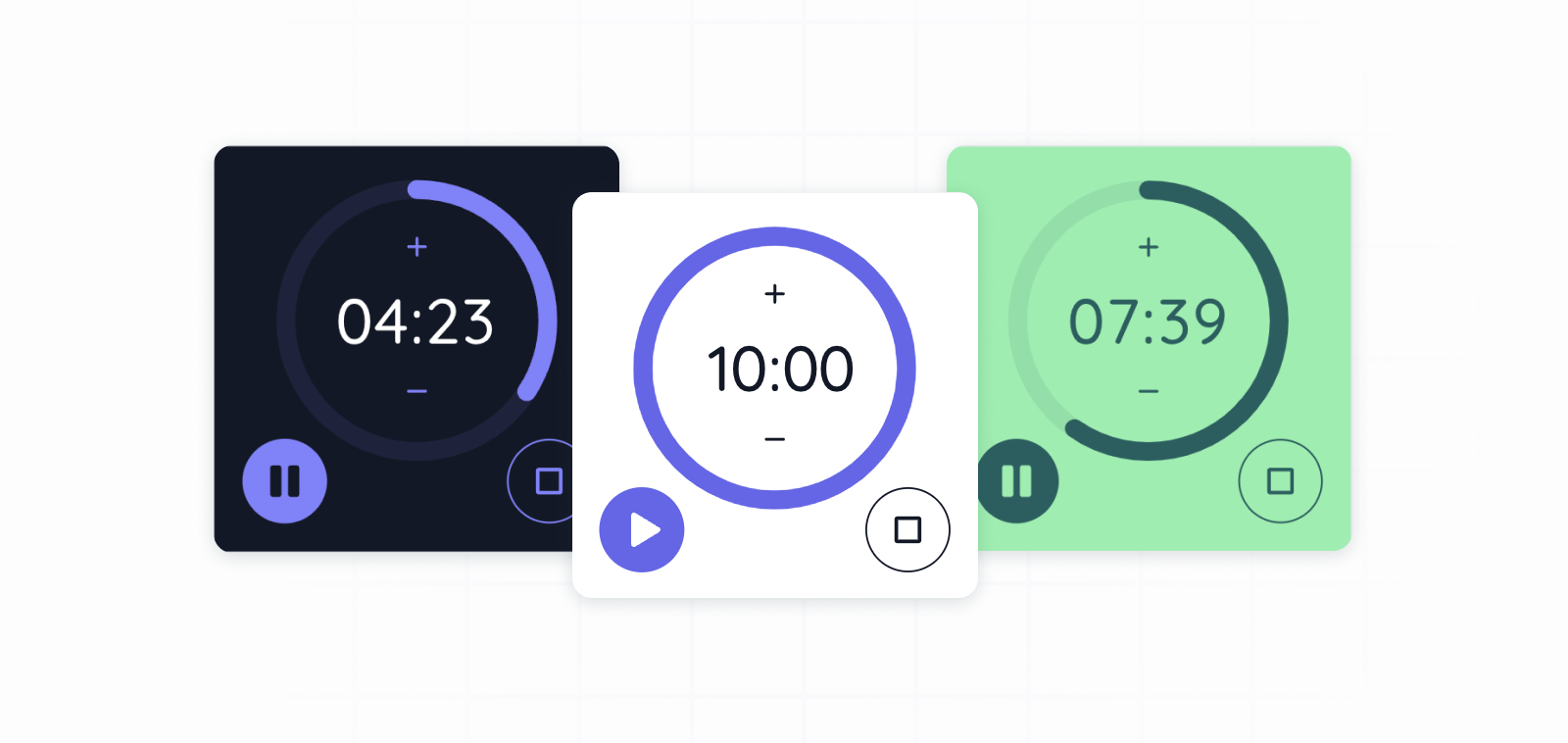
Today’s online timer tools are not just clocks on a screen. They’re sophisticated, browser-based systems that keep your settings even when you close the browser. They provide seamless user experience that include features like auto-advancement between work and breaks, customizable cycle count, sound notifications and visual progress rings.
There’s also the option to turn on a mode called “Keep Screen On” that will ensure that your device does not get sleepy while you’re in the middle of an event. It is also possible to use keyboard shortcuts to streamline your workflow. For instance, Space to play/pause and R to restart.
Touch of the Human Touch The Human Touch – Planning, Reframing and Adapting
Timers can only be so efficient. When we make plans around them, the real change happens. It’s helpful to break down large objectives into smaller, more manageable tasks before every Pomodoro. After a few cycles, you should you should take a longer break to allow your brain to recharge. It can be accomplished through a walk or meditating about a subject or having a tasty snack.
After the session, reflect about the number of Pomodoros were completed, what issues you had to overcome, and any improvements that could be implemented. This transforms a instrument into a powerful growth strategy.
Conclusion
The timer from the Pomodoro is more than a simple productivity hack it’s an alteration of mindset. It encourages working with intention as well as taking mindful breaks and establishing a better connection with time. Breaking down tasks into smaller, focused periods helps turn overwhelming to-do list into smaller pieces that can be managed. Getting into a rhythm, being present and finishing the day with a sense of progress are more important than simply crossing off items.