An accident can be terrifying regardless of the circumstances. The confusion can be more complicated when an autonomous vehicle is involved. There is no driver to speak to, and there is likely to be no explanation and there is no way to determine who was the person responsible for the decision that led to the accident. For injured victims the uncertainty may be overwhelming.
There are still accidents even when autonomous vehicles are designed to reduce human errors. If they do, the responsibility doesn’t disappear it simply becomes more complicated. In this case, having an attorney who specializes in autonomous self driving vehicles can make all the difference.
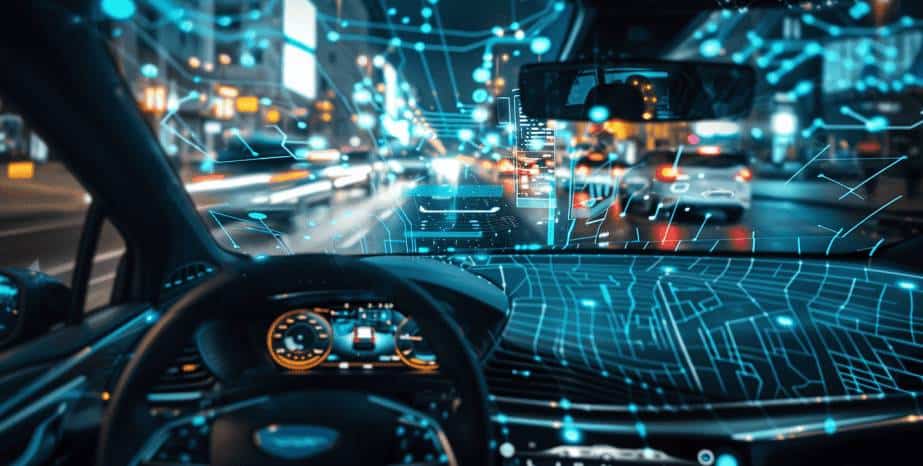
The reason why crashes involving driverless cars are different
Human behavior is typically at fault in traditional car accident. Someone was distracted, speeding or didn’t adhere to traffic rules. Autonomous vehicles perform differently. Software makes decisions taking in data from cameras, sensors, and mapping systems in real-time.
There is no way to challenge the decision of a driverless vehicle whenever it makes a mistake. Only information can be scrutinized. The victims often ask what happened if no one was driving? Understanding the interaction between technology control, corporate oversight, the system design and road safety is vital to comprehending the root of accidents.
Unsafe autonomous driving isn’t simply an accident. It’s a serious failure of technology that has serious human consequences.
What’s the responsibility of an autonomous vehicle crash?
While autonomous vehicles do not require a human to drive however, they are not truly independent. Different parties are involved in how these vehicles work, and responsibility could be placed on any or all of them.
Fleet operators could be held responsible when they fail to maintain the vehicle, check its performance and restrict its use to secure conditions. Manufacturers may be accountable when the accident was caused by a hardware problem like defective brakes or sensors. Software developers could be held accountable in the event that the programming error, system delay or insufficient decision logic led to the vehicle’s misinterpretation of its surroundings.
In some instances, human oversight still exists. Remote supervisors or safety operators could be required to intervene if systems are struggling. In the event of a failure at this level, it can result in legal liability.
An attorney who has expertise dealing with accidents that involve autonomous vehicles knows how to discover all the possible parties accountable, rather than choosing to settle for the obvious.
How are accidents investigated?
Investigation of accidents that involve autonomous vehicles is heavily dependent on data, rather than only eyewitness accounts. Vehicles are able to store data on speed, sensor readings and object detection. They also record the alerts that are generated by the system as well as the decision-making process. Digital evidences can reveal what the vehicle observed and the way it responded in the moments before the accident.
Attorneys collaborate with engineers experts in accident reconstruction, and data analysts to understand this data. The objective is to translate the technical information into an elucidation of what went wrong and why. The process can take time, but it is essential for making sure that the right people are accountable.
Early involvement of corporate and insurance legal teams could complicate claims for injured people. Without legal support, victims may face delay or a settlement that does not reflect their injuries.
What is the importance of legal experience in Autonomous Vehicles
The laws regarding autonomous vehicles are still in flux, and they differ from state to state. An attorney who is knowledgeable with the latest technology and legal requirements will be able protect your rights in a changing legal system.
For victims of an autonomous driverless car vehicle accident, legal representation is about more than compensation. It’s about transparency, accountability and comfort in a moment filled with confusion. If victims receive the appropriate support, they can focus on healing while professionals deal with the legal and technical aspects.
Although autonomous vehicles are capable of driving themselves yet it’s the responsibility of those and companies who developed the technology to make sure they are safe. Recognizing the causes of accidents is the first step to stopping them.