Machining is always about speed, precision and reliability. However, in the highly competitive world of manufacturing efficiency is the most important factor. Whether you produce components for the aerospace industry, automotive components or high-tech products the tools you select directly impact your bottomline. High-speed drill, tungsten carbonide end mills and threading inserts have made a significant difference.
These aren’t just updates to old tools. These tools provide a superior method of working since they cut down on time and cost while providing better outcomes. Let’s take an in-depth look at how each one helps manufacturers drill deeper and cut more efficiently, as well as complete faster.
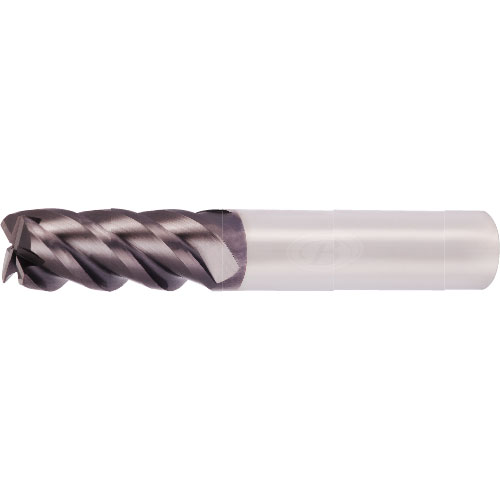
Image credit: stwang-tw.com
Indexable Drills: More Holes, Less Hassle
Drilling holes of a large size used to be costly and long-lasting. Drills made of solid material wore out rapidly they needed sharpening and in some cases, they slow production lines. This is one reason why more machine operators are using indexable drills. You can replace inserts and not replace the whole tool if it gets dull.
What makes indexable drills distinct is their effectiveness. They’re built to last, have robust designs, and require very little maintenance. Replaceable inserts make it easier to reduce inventory and waste and extend the lifespan of machines. SHANG TZANG WANG ENTERPRISE, CO., LTD offers disposable core-stays, which provide reliable performance for large-diameter applications. This upgrade reduces downtime for shops who perform repeated hole drilling.
High Speed Drills – Built to Modern Demands
In a workplace in which time is a major factor, high speed drills are designed to speed up the process without compromising accuracy. They are ideal for materials that have extreme resistance and speedy cycles. They’re used in all kinds of medical devices, from precision to large-volume automotive components.
Modern high-speed drills have optimised flute designs and cutting-edge coatings that prevent thermal buildup, minimize friction, and lengthen time of use. This means fewer breaks as well as fewer replacement tools and more components. If you’ve ever felt the annoyance of a malfunctioning drill mid-cycle changing to a high speed drill is an epitomize.
Tungsten Carbide End Mills: Reliable Performance Cut After Cut
When it comes to milling, tungsten carbide end mills are the workhorses of the shop floor. They’re famous for their hardness as well as their heat resistance and ability to cut through tough materials with no loss of edge sharpness. They are dependable for all tasks, from roughing large sections or finishing corners.
The variety of tungsten carbide is what makes them so special. They can be customized to fit different applications that range from aluminum to titanium with different flute count and helix angles. For machinists who need both quality and toughness, carbide-based end mills can provide the perfect balance between aggressive material removal and clean finish.
Threading Inserts: Tiny Tools, Big Impact
The creation of threads can seem like just a small aspect of the process, but it’s one of the most crucial. A poor thread can ruin an excellent part. It’s crucial to use an insert for threading that is of top quality. These tiny, interchangeable tools are designed to cut internal or external threads with a high degree of precision and repeatability.
Threading inserts, in contrast to traditional dies and taps, which wear differently over time provide consistently good results. If one edge wears out you can simply index to the next point of cutting without the need to take out the tool, or even regrind. It’s simple, cost-effective and clear. Not only do machinists appreciate threading inserts due to their speed, but also because of their dependability. You can be sure that the threads you use are going to fit correctly the first time. There is no rework or rework, and there is no anxiety about parts being rejected.
The Bottom Line
Modern machining is highly time-sensitive. You can’t waste it. So, today’s top-performing manufacturing facilities are shifting to intelligent, flexible tools. These cutting tools are not only more precise, but they also streamline workflows and make it easier to change the workflow, in addition to extending the lifespan of the tool. What’s the end result? This means less time on troubleshooting and more time is spent providing high-quality components. In an industry with higher expectations and lower margins, companies can compete through the use of tools that perform better.