When it comes time to maintain a septic system the costs involved is crucial. If you’re looking to set up an entirely new septic tank, leach field, or even replace an existing one, being aware of the potential expenses can assist you in budgeting effectively and avoid surprises in the process. There are various factors that contribute to the septic system cost.
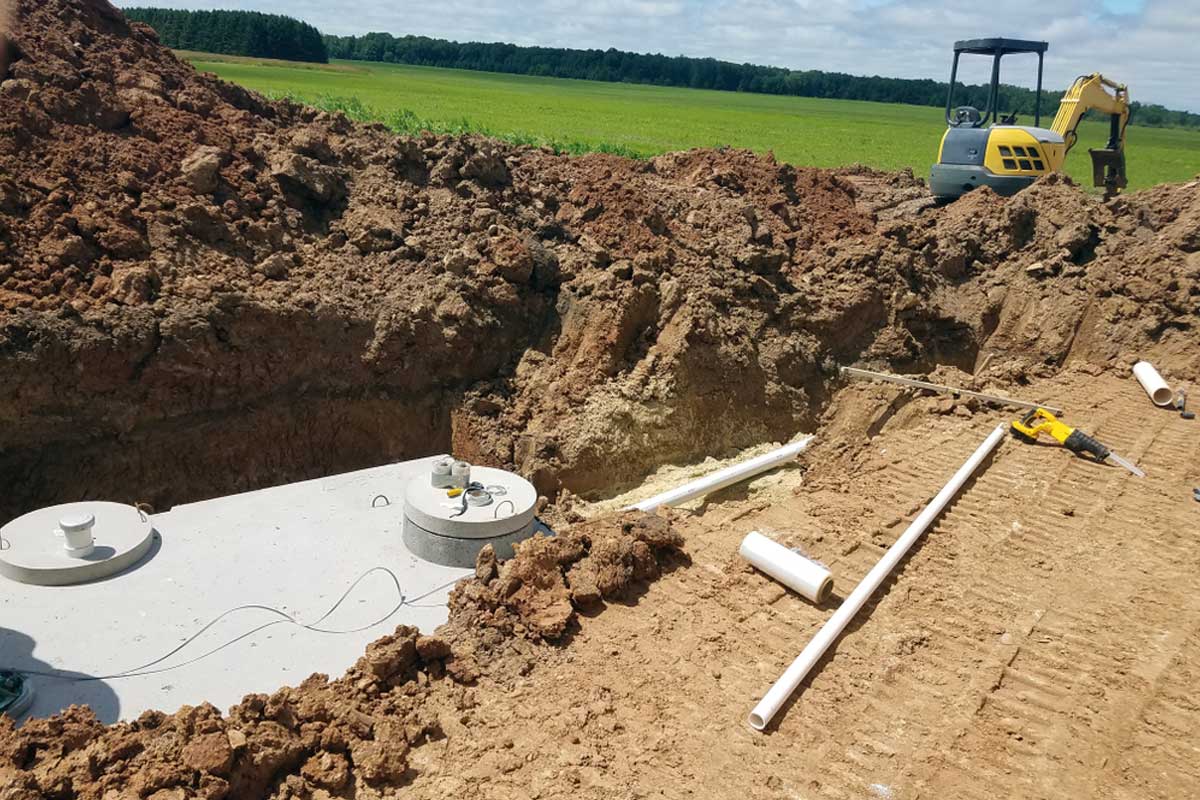
The costs for constructing a leach field as well as a septic system are a lot different based on the various aspects. The size of the required septic system is a major factor. larger homes or houses with higher water usage generally require larger septic tanks and leach fields, resulting in a higher overall cost. Additionally, the soil conditions and topography of the area can affect the complexity of the process of installation and, consequently, the price. The soil conditions could be challenging and may require additional excavations or special treatment methods. This will add to the cost.
Another element that determines septic system cost is the nature of the septic tank as well as the leach field system that is selected. Different types of materials and designs come with different costs. Concrete tanks made of traditional materials are typically cheaper than alternative alternatives like plastic or fiberglass tanks. Furthermore, environmentally-friendly or advanced treatment systems may cost more, but they offer additional benefits such improved water treatment and conservation.
Although the price of installing an septic tank and a leach field determines the initial financial investment, it’s essential to consider the long-term maintenance as well as replacement expenses. Septic tanks be used for between 25 and 30 years depending on usage, maintenance and materials. Over time, a septic system may require repair or replaced. In calculating the cost to replace septic tank, it’s important to think about not only the tank but also the labor as well as any required upgrades to comply with current requirements.
The price of replacing the septic will differ based on the size and design of tank being replaced, and also the difficulty of the process for installation. In certain instances it is possible to excavate and properly remove the old tank before making the area ready for the new installation. If the rules have changed since the initial installation of the septic tank it could cost more to bring the system up to standards.
It is vital to take care of your septic tank, and have it inspected regularly. This will help you avoid unanticipated costs and ensure that the replacement process goes smoothly. Routine inspections can lead to an early detection of problems that can result in prompt repairs and increase the life of your septic system. It is important to regularly flush the tank to avoid solids accumulating.
It is best to request estimates from several reliable contractors before planning for the installation or replacement of a Septic tank. Take a look at these estimates and be able to determine what the cost average is in your local area. This will enable you to make an informed choice. Be sure to inquire about warranties and warranties that the contractor could offer on the work they do and the products they use.
Homeowners and property owners must be aware of the amount a new septic tank is and what the total cost of the entire septic systems is. Take into consideration factors like the size of your tank, the materials used, the soil conditions and any future expenses when budgeting for the purchase of a new septic system or tank. To maximize the life of your septic tank and minimize the cost of replacement, periodic checks, maintenance and proper care are crucial. Keep in mind that investing into a functioning septic system is not just about ensuring an efficient wastewater management, but it is also a major factor in the overall quality and efficiency of your property.