The seamless coordination of solenoid and ball valves is crucial in the complex world of fluid control. These components are often unnoticed users in a variety of industrial applications. They work as an active pair that can provide precise and automated fluid flow control. Explore the world of solenoid valves and actuated valves. Let’s explore their uses and learn about the synergistic relationships which drive the management of fluids.
Solenoids, gatekeepers that operate electrically to regulate flow control, are the primary to seamless control across various applications. These valves are able to provide precision and efficiency in fluid control systems. They are utilized to control air-actuated butterfly and ball valves. Solenoids are valves that can respond to electrical signals. They act as orchestrators and determine the time when the path of fluid should be closed or opened.
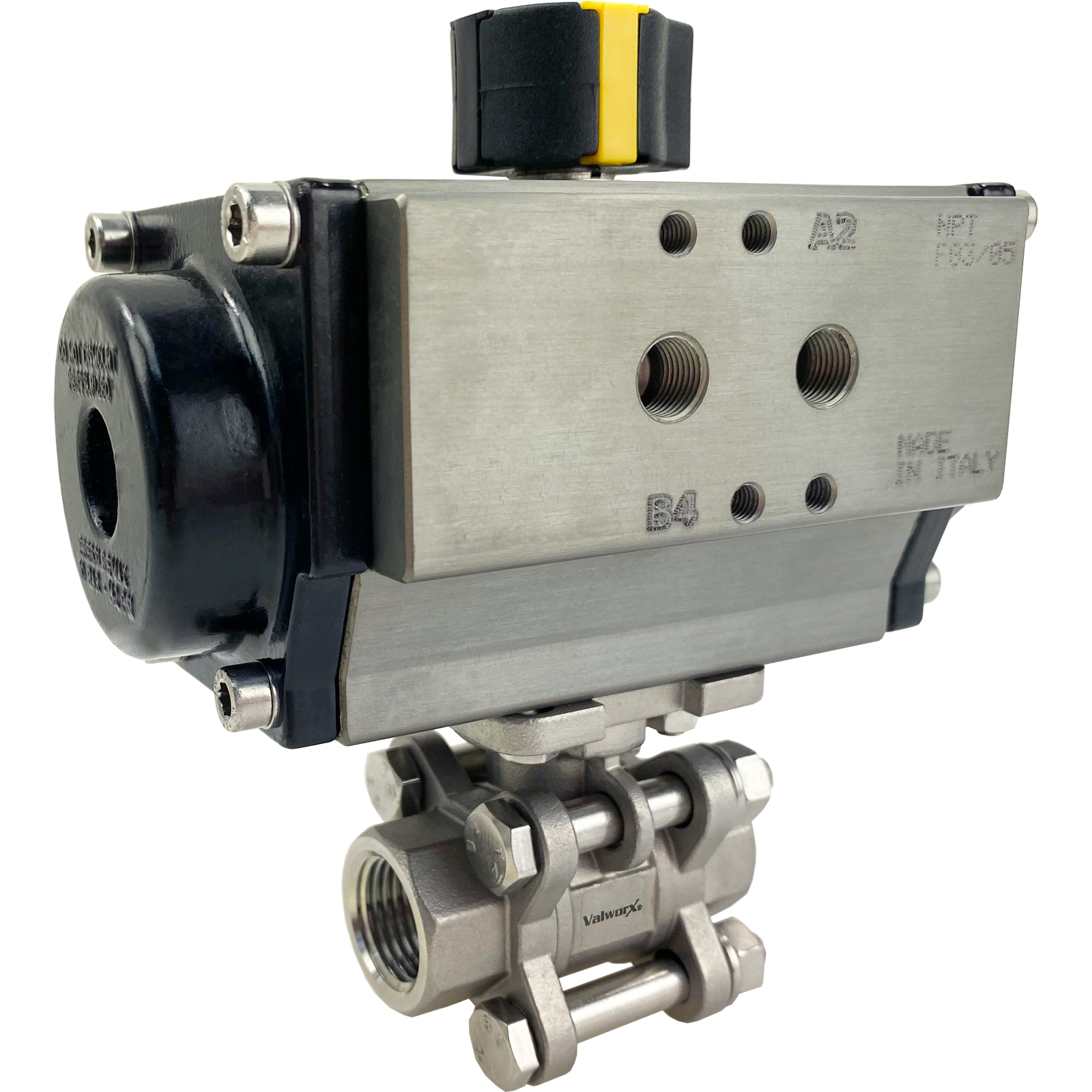
One of the distinctive features of solenoid valves is that they can be used with spring return as well as double-acting air actuators. They can be adjusted to a wide range of operating requirements due to their adaptability. Integration is further made simpler by the NAMUR mounting plate, which is an international standard. This permits a direct connection with the air actuator.
Ball valves that are actuators Automated fluid positioning
A ball valve that’s actuated automates the actual movement of the valve. They are powered with electric or pneumatic actuators and automatically rotate into the desired position. This allows non-hands-free control of the fluid. The synergy between solenoid valves extends the capabilities of ball valves that are actuated, making a system where electronic precision meets mechanical movement.
The ball vale that is actuated is a good choice for projects that require precision and reliability. Its capability to regulate fluid flow with accuracy makes it an ideal choice for tasks requiring the ability to turn off or modify control. Air, water, oil and various other media that are compatible can be controlled by the experienced direction of actuated ball valves, which ensure a steady and efficient flow that is able to meet the demands of the operation.
Solenoid Symphony in Air Precision Actuated Ball Valve
The partnership between solenoid as well as air actuated valves is similar to a symphony in which every component plays a key role in achieving harmonious control of fluid. Solenoid controls, which respond to electrical signals orchestrate the closing and opening of the fluid flow, are controlled by solenoid devices. The air-actuated ball valve, guided by the electrical command, performs the mechanical dance which is precise in its rotation to regulate the flow.
The symphony truly stands out because of its integration through the NAMUR mounting pads. This is a standard connection that not only simplifies the assembly, but also gives a reliable and secure connection to the solenoid as well as the air actuator. It’s a seamless connection that converts electrical signals to physical motion. This permits the highest level of precision to meet the demands of industrial applications.
Navigating Modulations within the Dynamic World Ball Valve Control
The range of applications for ball valves is widely known regardless of whether or not they are controlled. Their ability to regulate flow of water, air and oil along with other suitable media is what makes them a vital part of many industries. This capability can be further enhanced with actuated ball valves that are powered by solenoid valves.
Modulating control becomes crucial when dealing with requirements for flow. These situations are best served by actuated, ball valves that are precisely controlled via solenoids. Ball valves offer a fluid method of controlling the flow of fluid, whether it is changing the flow of water in cooling applications or controlling the release of air in a pneumatic system.
It is important to have a wide range of ball vales available in order to maximize performance and long-lasting. The businesses require solutions that can not only satisfy the immediate requirements of their business and last, but also stand up in various operational environments. Ball valves come in a wide range of styles and sizes, each setting the standard for durability and performance.
Whether it’s a requirement for a compact, manually operated ball valve or a sophisticated, electrically actuated ball valve, the options are vast. The decision-making process includes aspects like the type of fluid as well as operating pressure, temperature as well as the requirements specific to the application. With this wide range of options industries can develop fluid solutions tailored to the specific needs of their customers.
Conclusion: The Precision Dance of Solenoid Valves, Actuated Ball Valves
In the intricate world of fluid control, precision is essential and the relationship between solenoid valves as well as actuated ball valves illustrates this with finesse. The electronic control of solenoid valves effortlessly integrates with the mechanical strength of actuated ball valves, creating a dance of precision that manages flow with unparalleled accuracy.
The symphony is a musical instrument that is used in fluid control. From NAMUR mounting plates that offer an encasement that is secure to ball valves that automatically turn when solenoid signals arrive, each component plays a critical role. The dynamic duo of solenoid and activated valves are a key element in fluid management systems that require durability, efficiency, and scalability.